
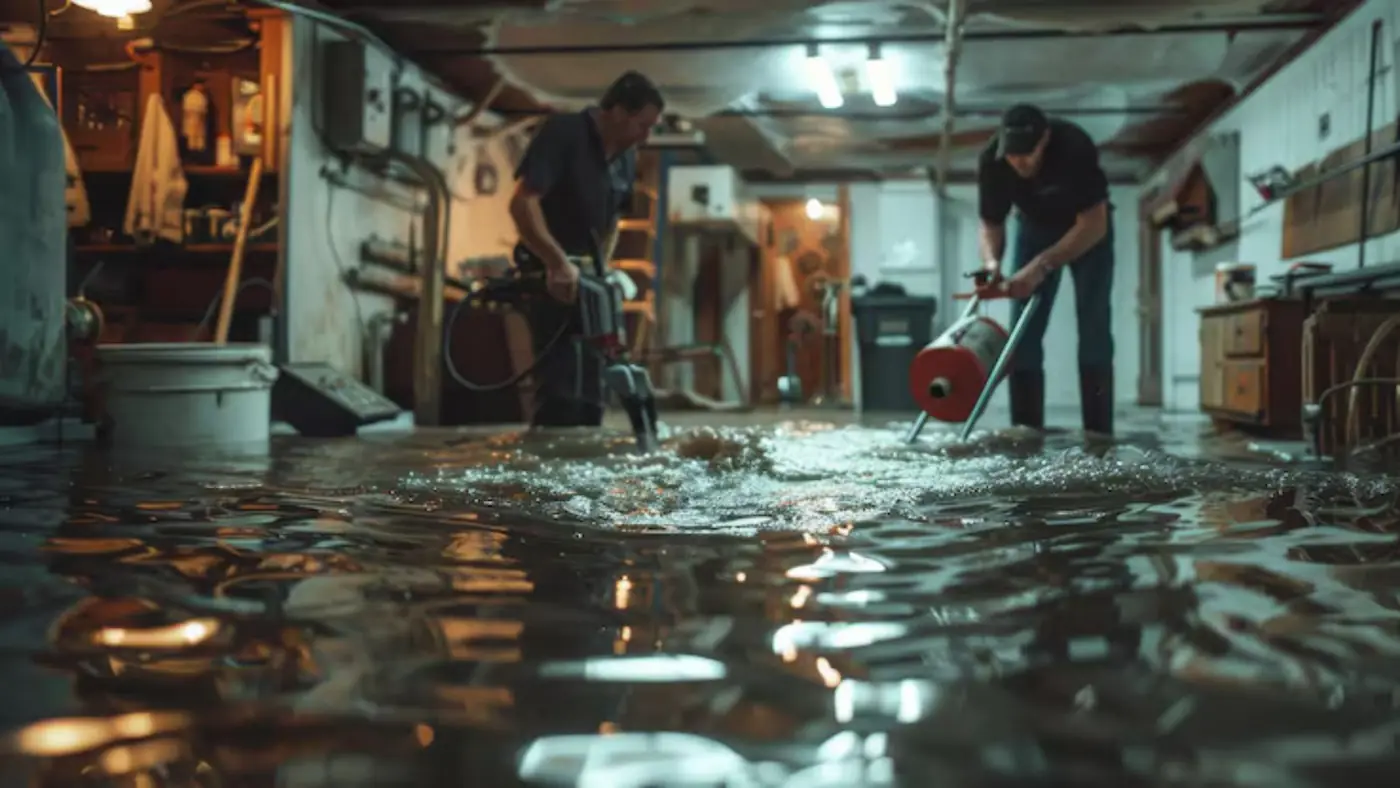
When Standing Water Is an Emergency
Emergency water removal means pumping and extracting standing water from a home as fast as safely possible. In Broomfield, CO that could be a burst pipe under a sink, a failed water heater, an overflowing tub or a flooded crawl space. Our 24/7 line is open now.
Before you call, shut off the main water valve or the fixture valve. Turn off power to wet areas only if you can reach the panel on dry ground. Lift valuables and keep people and pets out of the water. For any electrical or gas concern, call the utility or 911 first.
How Water Extraction Works
Pumps handle deep water, and truck-mounted or portable extraction units pull water out of carpet, pad and hard surfaces. Removing water mechanically is far faster than drying it, because every gallon taken out is a gallon the dehumidifiers never have to handle.
Once the standing water is gone, the crew uses moisture meters and thermal imaging to find water that moved into walls, under cabinets and below flooring. That map decides where structural drying has to continue.
Burst Pipe Water Damage
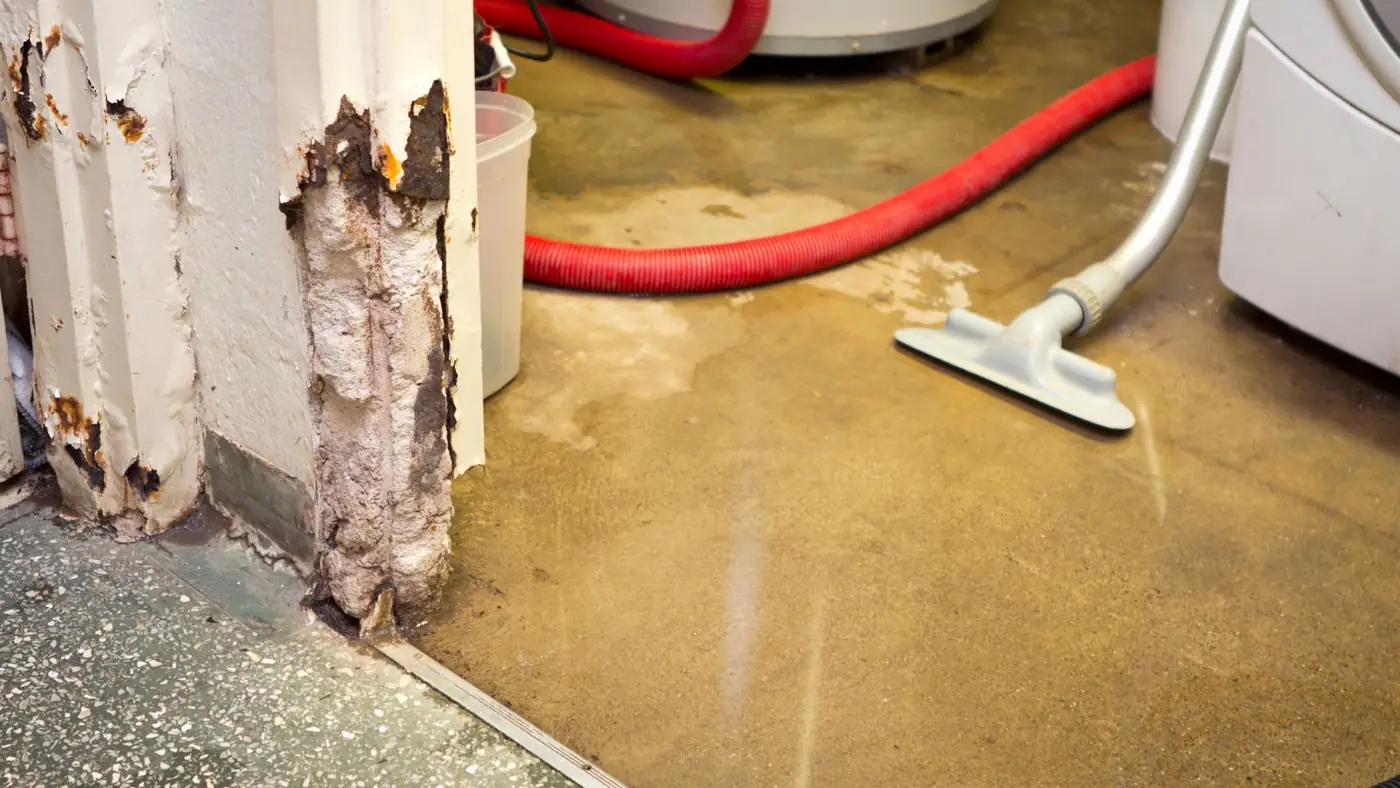
The City and County of Broomfield notes on its water utilities page that cold winters mean frozen pipes that burst and cause excessive damage. Denver-area weather records put the average first freeze around October 7 and the last around May 5, so the risk window is long.
A pipe that burst inside an exterior wall, an attic or a garage can run for hours before anyone notices. Find the main water shut-off and make sure everyone in the house knows where it is. Shut it first, then open a faucet at the lowest level to drain remaining water.
After the water stops, extraction begins and the pipe repair is handled by a licensed plumber. We document the damage for your insurer and keep the removed materials until your adjuster has seen them. A burst pipe is usually a sudden and accidental loss, which many homeowners policies cover, so check your policy.
Stay out if electricity is involved
Water and electricity do not mix. If water is touching outlets, appliances or the panel, do not stand in it. Call the utility or 911 for any electrical or gas risk before calling the restoration line.
Water standing in the house?
Call the 24/7 line. We will walk you through safe shut-off steps while a crew is arranged.
Crawl Spaces and Whole-Room Flooding
Water in a crawl space is easy to miss. A broken irrigation line, a leaking supply pipe or surface water can pool under a house for days. Left in place, it saturates insulation and wood framing and feeds odor and mold.
Crews pump the crawl space, remove wet insulation and set drying equipment that works in a tight space. If the whole level of a house is flooded, extraction runs room by room, and we separate what can be dried from what must be removed. For storm-driven flooding and basements, see flood damage restoration.
| Situation | First thing to do | What we do next |
|---|---|---|
| Burst pipe under a sink | Shut the fixture valve or main | Extract, open the cabinet base, dry the wall cavity |
| Water heater failure | Shut off the cold supply and power or gas | Extract, check subfloor and adjoining rooms |
| Overflowing tub or toilet | Stop the flow and lift belongings | Extract and check the ceiling below |
| Water in a crawl space | Find and stop the source | Pump, remove wet insulation, dry framing |
| Whole-room flooding | Shut the main and avoid the panel | Extract room by room and map moisture |
These are general sequences. We confirm each step by phone before a crew arrives.
Cost Factors for Emergency Water Removal
| Factor | Why it matters |
|---|---|
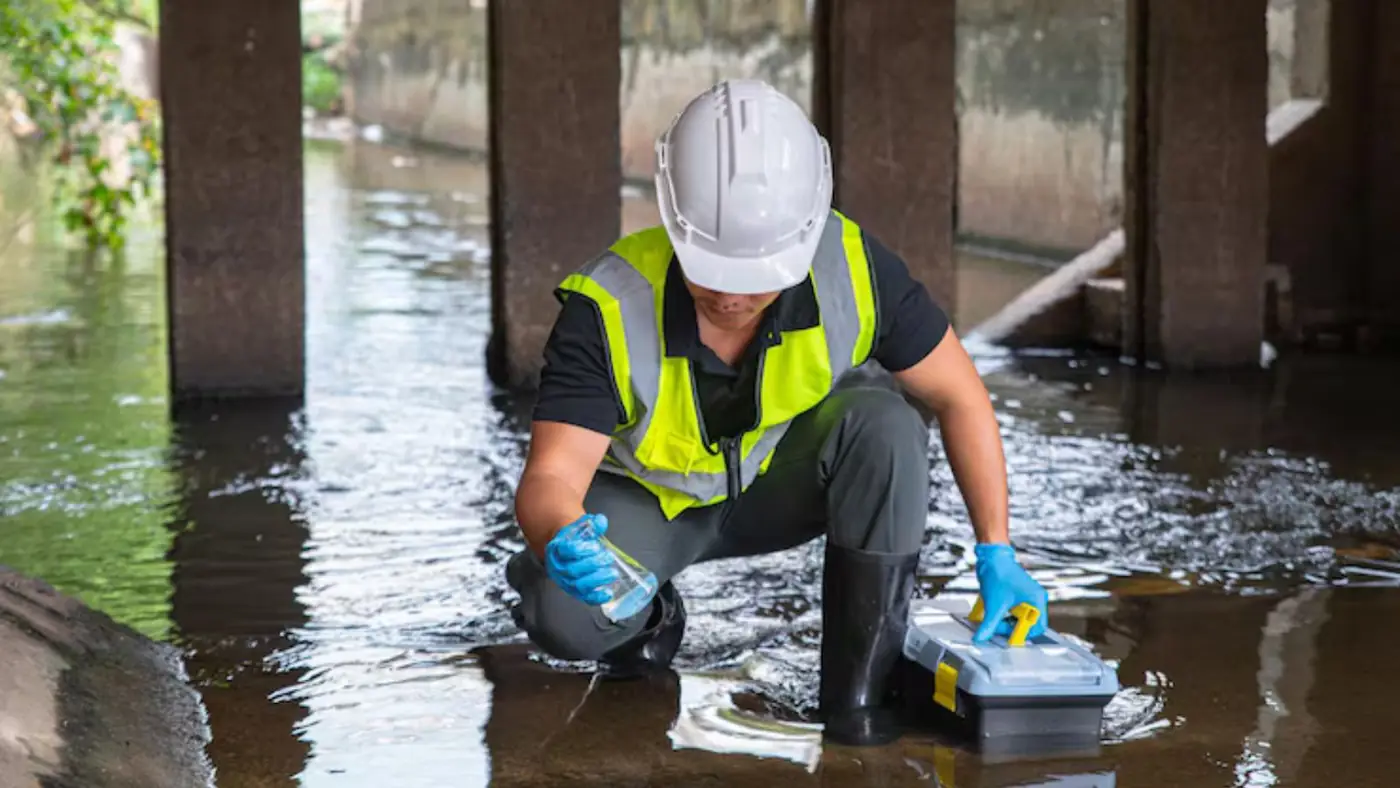
| Water category | Clean supply water is handled differently from gray water or sewage. |
| Water depth and affected area | More square footage and deeper water mean longer pump and extraction time. |
| Materials involved | Carpet and pad, hardwood and insulation follow different save or remove rules. |
| Drying days and equipment | Extraction is followed by drying that depends on moisture readings. |
| Rebuild scope | Removed materials become the repair scope afterward. |
Want your real number? Call (303) 952-8295.
We respond across Broomfield ZIP codes 80020, 80021 and 80023, and in nearby Louisville and Westminster. After extraction, water damage cleanup removes debris and sanitizes, and water damage repair rebuilds once the structure is dry.
The Standard Behind the Work
ANSI/IICRC S500 is the published standard for professional water damage restoration, and it sorts water into categories that decide what can be dried and what must be removed. Ask any company whether its crews work to it, and ask how it will tell you which category applies to your loss.
Water Removal Questions
Yes. The dispatch line is staffed around the clock, including nights, weekends and holidays. Call with the address and what you see and we will talk through safe steps while a crew is arranged.
Shut the main water valve or the fixture valve. If you can reach the panel on dry ground, turn off power to wet areas, then lift valuables and call. If the water is near wiring, call the utility or 911 before anything else.
Extraction removes liquid water with pumps and extraction units. Drying uses air movers and dehumidifiers to remove moisture that soaked into materials. Extraction goes first because it removes most of the volume quickly.
Yes. Crews pump the space, remove wet insulation and set drying equipment sized for tight areas. The source, such as a broken line, has to be stopped first.
A plumber repairs the pipe. We handle the water removal, drying and documentation, and we can work around the plumber's schedule.